
Understanding Acne Scars and Effective Ways to Improve Their Appearance

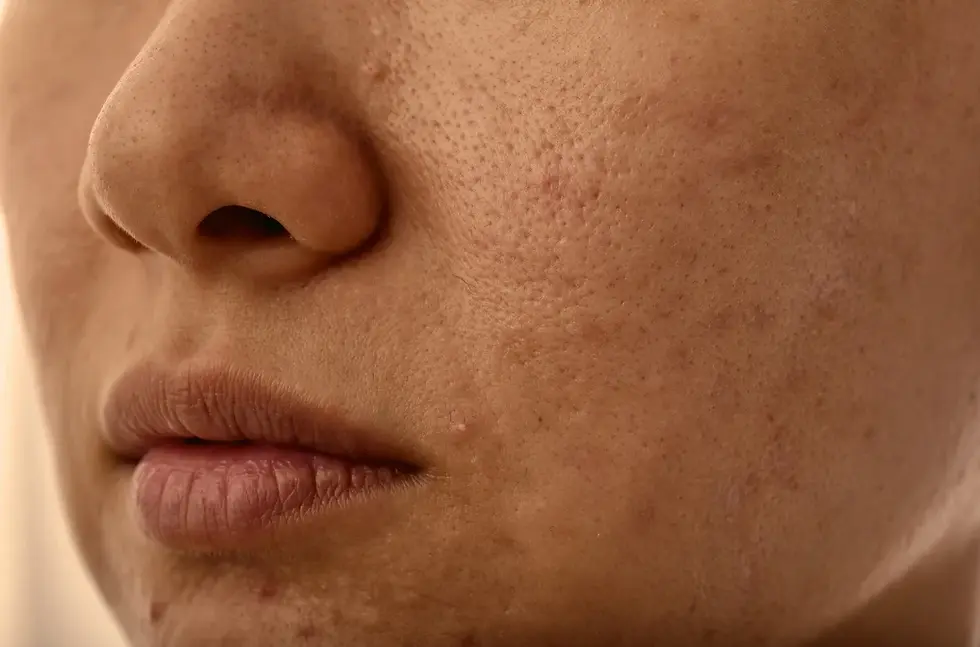
Acne scars can feel like a permanent reminder of past skin struggles. For many, these marks affect confidence and self-image long after the acne itself has cleared. Understanding what causes acne scarring and how to improve its appearance can empower you to take control of your skin’s future. This post explores the main causes of acne scars and highlights effective treatments, including advanced options like laser therapy and Microneedling, that can help reduce their visibility.

What Causes Acne Scars
Acne scars form when the skin’s healing process is disrupted after an acne lesion. The severity of scarring depends on several factors:
Inflammation level: Deep, inflamed acne such as cysts or nodules damages the skin’s tissue more severely than mild acne.
Skin type: Some skin types are more prone to scarring and pigmentation changes.
Picking or squeezing acne: This can worsen inflammation and increase the risk of permanent scars.
Genetics: Some people naturally heal with more scarring due to their genetic makeup.
When acne damages the skin, the body tries to repair it by producing collagen. If too little collagen forms, the skin develops depressed scars, often called atrophic scars. If too much collagen forms, raised scars or keloids may appear. Both types contribute to uneven skin texture and discoloration.
Types of Acne Scarring and Pigmentation
Acne scarring is not one-size-fits-all. Recognizing the type of scar you have helps determine the best treatment:
Ice pick scars: Deep, narrow pits that look like small holes.
Boxcar scars: Broad, round or oval depressions with sharp edges.
Rolling scars: Wide depressions with a wave-like appearance.
Hypertrophic scars: Raised scars caused by excess collagen.
Post-inflammatory hyperpigmentation: Dark spots left after acne heals, not true scars but often mistaken for them.
Acne pigmentation, especially common in darker skin tones, results from inflammation triggering excess melanin production. These dark spots can linger for months or years without proper treatment.
How to Improve Acne Scars and Pigmentation
Treating acne scars requires patience and a combination of approaches. Here are some of the most effective options:
1. Laser Treatments
Laser therapy has become a popular and effective way to improve acne scarring and pigmentation. Devices like the LaseMD Ultra laser use specific wavelengths to target damaged skin layers, stimulating collagen production and breaking down pigmentation.
Fractional laser resurfacing creates tiny wounds that promote new skin growth.
Pigment-targeting lasers reduce dark spots by breaking down melanin.
Laser treatments are often available at LING Spa NYC, where advanced technology and expert practitioners offer customized care.
2. Microneedling
Microneedling involves using fine needles to create controlled micro-injuries in the skin. This triggers the body’s natural healing response, boosting collagen and elastin production.
It improves skin texture and reduces the depth of scars.
Microneedling can be combined with serums or platelet-rich plasma (PRP) for enhanced results.
This treatment is minimally invasive and has a relatively short recovery time.
3. Topical Treatments
While topical creams and serums cannot erase deep scars, they help improve acne pigmentation and support skin healing.
Ingredients like retinoids, vitamin C, and niacinamide promote cell turnover and brighten dark spots.
Consistent use of sunscreen is crucial to prevent pigmentation from worsening.
4. Chemical Peels
Chemical peels like VI Peel use acids to exfoliate the top skin layers, encouraging new skin growth and reducing pigmentation.
Superficial peels help with mild scarring and discoloration.
Medium to deep peels require professional supervision and recovery time.
5. Professional Guidance
Consulting a dermatologist or skincare professional is essential to tailor treatments to your skin type and scar severity. LING Spa NYC offers a combination of laser, microneedling, and topical therapies for comprehensive care.
What to Expect from Treatment
Improving acne scars takes time. Most treatments require multiple sessions spaced weeks apart. Results vary depending on scar type, skin tone, and treatment method. For example:
Laser treatments like LaseMD Ultra can show noticeable improvement after 3-5 sessions.
Microneedling often requires 4-6 treatments for optimal results.
Topical treatments need consistent use over months.
Managing expectations helps maintain motivation and avoid frustration.
Lifestyle Tips to Support Scar Healing
Alongside professional treatments, certain habits can support skin healing and prevent further scarring:
Avoid picking or squeezing acne lesions.
Use gentle skincare products to reduce irritation.
Protect your skin from sun exposure with broad-spectrum sunscreen.
Maintain a healthy diet rich in antioxidants and hydration.


Comments